
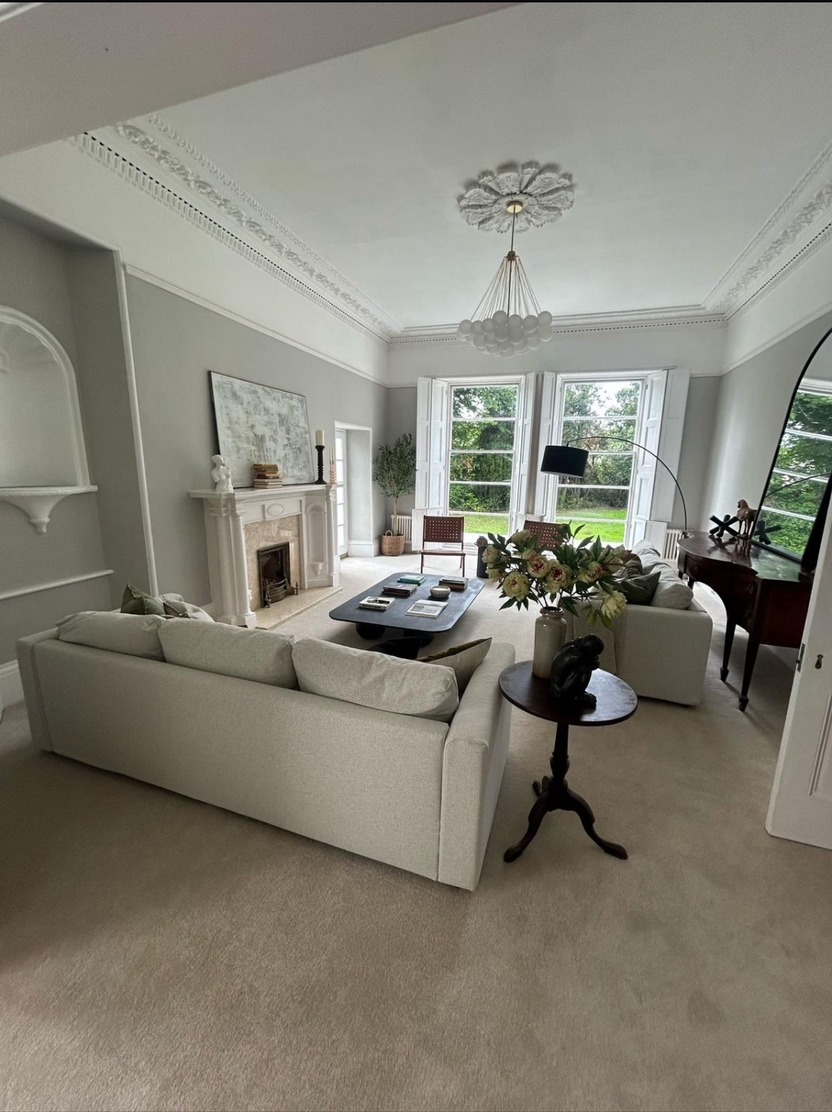
Renovate your current home or move to a new one
This decision is bigger than any single building project and deserves an honest look at what is actually driving the dissatisfaction.
Most people who ask this question are not unhappy with their location, their neighbours or their commute. They are unhappy with the layout, the kitchen, the bathrooms or the amount of space. Those are all things renovation can fix without the upheaval, cost and uncertainty of selling and buying again.
But not every house is worth renovating into what you want. Some plots cannot physically accommodate the extension or loft conversion needed, some houses have a ceiling on value that improvement work cannot push past, and some households need to move for reasons no amount of building work solves.
Work out what you actually dislike
Write down the genuine list: not enough bedrooms, a kitchen that does not work, no downstairs bathroom, a garden that faces the wrong way, a street that has got busier. Some of those are solvable with building work. Location, school catchment and neighbours are not.
If most of your list is solvable on the current plot, renovation is worth serious consideration. If your list is dominated by things tied to the location itself, moving is the more honest answer.
Check what the plot and structure will allow
Before committing to renovate, get a straight answer on what your house and garden can physically support. A tight plot, a listed building's restrictions, or a structurally awkward roof can rule out the exact change you have in mind, in which case renovating will not deliver what you pictured.
This is worth doing early, even informally, because it stops you emotionally committing to a renovation plan that the building cannot actually support.
Weigh the cost of moving against the cost of building
Moving involves estate agent fees, stamp duty, solicitors, and the cost premium of buying a house that already has what you want. Renovating involves design, construction and living through disruption, but you keep the location, the garden you have grown, and the neighbours you know.
Neither is automatically cheaper. It depends on your local market, the scale of work needed, and how long you plan to stay once the work is done.
How long you plan to stay matters
A large renovation makes more financial sense if you plan to stay in the house for years afterward, spreading the disruption and cost against long-term enjoyment. If you expect to move again within a couple of years regardless, a smaller, more targeted improvement, or moving now, may serve you better than a major build.
Be honest with yourself about your actual time horizon rather than an idealised one.
Living through the work versus moving straight in
Renovating while living in the house, or moving out temporarily, is a real practical cost that a straight house move does not carry. Some households manage building work fine; others find the noise, dust and lost rooms genuinely hard, particularly with young children or health conditions in the house.
Factor this honestly into the decision rather than assuming you will cope because the finished result will be worth it.
Common questions
How do I know if my house is worth renovating?
Compare the likely cost of the work against local property values and what similar improved houses sell for in your street. A local estate agent and a builder's honest scope together give a more useful answer than either alone.
Should I get planning advice before deciding?
It helps if your renovation plan depends on a specific extension, loft conversion or change of use. Knowing whether that is realistic on your plot removes a major unknown from the decision.
Is renovating always less disruptive than moving?
No. A major renovation can be more disruptive week to week than a house move, even though it avoids the stress of selling and buying. Consider both types of disruption, not just one.
Can I renovate in stages instead of all at once?
Yes, many households phase work over a few years, starting with the most pressing room and building later. This spreads cost and disruption but needs early planning so later stages are not undone by earlier ones.
Tell us about the job and we’ll come back with a clear next step.
Serving Paignton, Torbay & South Devon. Mon–Fri 08:00–17:00.
- Skimming vs replasteringHow to tell whether a tired wall just needs a fresh skim or a full strip-back replaster.
- Silicone vs monocouche renderHow silicone and monocouche render actually differ in build-up, weather performance and cost.
- Plasterboard vs plaster ceilingsWhy ceilings need a different decision process to walls when choosing between plasterboard and traditional plaster.
- Extension vs loftGround-floor extension or loft conversion: which actually solves your space problem.