
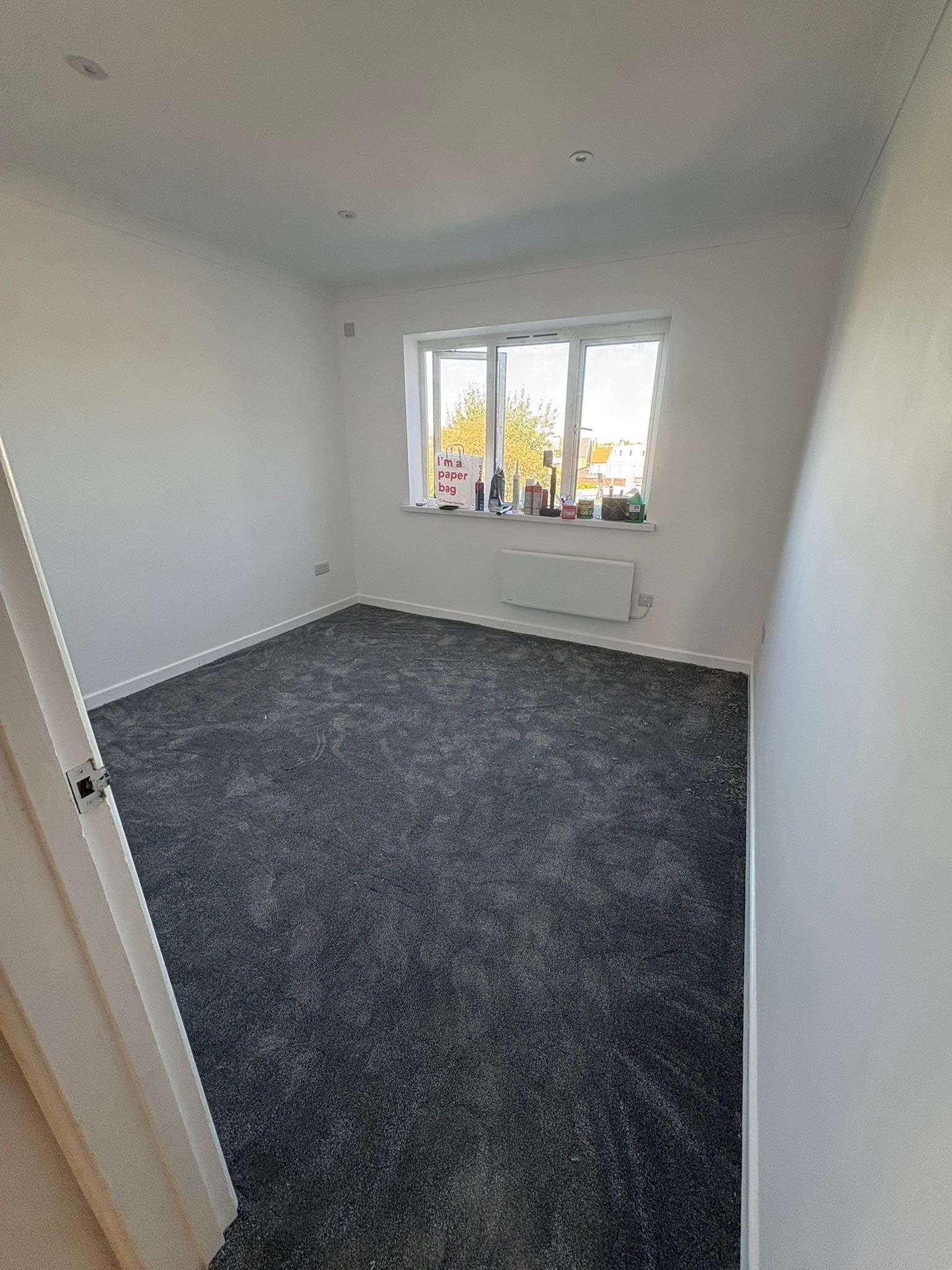
Staying in your home during building work takes some planning
Many extensions and renovations happen while the family carries on living in the house, which is manageable with a bit of preparation.
Plenty of homeowners choose to stay put during an extension or renovation rather than move out, particularly when only part of the house is affected. It is entirely workable, but it helps to think through practical questions in advance: which rooms will be out of use and when, how deliveries and skips will use the driveway or street, and where dust-sensitive items need moving to.
Kitchens are often the trickiest room to lose temporarily, since daily routines depend on them more than almost any other space. A temporary kitchen setup, even a basic one with a kettle, microwave and a folding table in another room, makes a real difference to how manageable the weeks feel.
Good communication with your builder about which days involve the noisiest or most disruptive work also helps you plan around it, whether that means working from a different room on certain days or timing a few days away for the messiest stages.
Protecting the rest of the house
Dust travels further than people expect, especially during demolition and first fix stages, so covering furniture and flooring in rooms near the work area is worth doing even if they are not directly part of the build. Closing doors between work areas and living space and using dust sheets on hallways that trades need to pass through both help.
We take reasonable steps to protect floors and furnishings as standard, but a bit of extra protection on anything particularly valuable or hard to clean is sensible on the client's side too.
Managing noise and access
Agree working hours in advance, particularly if there are young children, shift workers or anyone working from home in the property. Most disruptive work, such as breaking out concrete or removing a chimney breast, tends to be concentrated in specific stages rather than spread evenly through the whole job, so knowing roughly when those days fall helps with planning.
Deliveries and skips need somewhere to go, and on narrower streets common across parts of Torquay and Teignmouth, this sometimes means coordinating with neighbours over parking for a few days.
Kitchen and bathroom disruption
If the kitchen is being extended or replaced, expect a period without full cooking facilities, and plan a temporary arrangement in another room well before that stage arrives rather than scrambling once units have already been removed. The same applies if a bathroom is out of action, particularly in a house with only one.
Talking to your builder early about how long a particular room is likely to be unusable helps you plan around it realistically, even though exact timing on a live site can shift with the work itself.
Children, pets and safety
A building site brings genuine hazards, from exposed foundations to power tools and materials stored on site, so keeping children and pets away from work areas matters, not just for their safety but because insurance and site rules generally require it too.
Simple measures like temporary fencing around an open excavation, keeping site access doors closed when trades are not present, and briefing family members on which areas are off limits reduce risk considerably.
Common questions
Is it better to move out during a big renovation?
It depends on the scope. A whole-house renovation may be easier managed from elsewhere, while an extension leaving the rest of the house usable is often fine to live through with some planning.
How do I manage without a kitchen for several weeks?
A temporary setup with a kettle, microwave, small fridge and a folding table in a spare room or garage covers most daily needs until the new kitchen is ready.
Can work be paused for a family event or holiday?
It is worth raising this early so it can be built into the programme, though frequent pauses can extend the overall timeline, so it is best discussed once rather than requested repeatedly.
Who is responsible for site safety around my family?
The builder is responsible for managing site safety and access, but agreeing clear boundaries between living space and work areas with your builder helps everyone stay safe.
Tell us about the job and we’ll come back with a clear next step.
Serving Paignton, Torbay & South Devon. Mon–Fri 08:00–17:00.
- Planning permissionWhen planning permission applies, when it does not, and how Torbay, Teignbridge and South Hams differ.
- Building regulationsHow Building Regulations approval works, what inspections happen and how it differs from planning permission.
- Party wall agreementsHow the Party Wall Act works, when notice is needed and why a schedule of condition protects everyone.
- Choosing a builderHow to vet a builder properly, compare quotes fairly, and judge communication before work begins.