
Skilled carpentry and dependable general building.
Alongside our larger projects we take on general building and carpentry work across South Devon — from doors, staircases and studwork through to roof repairs, decking and property maintenance. If you've got a shortlist of jobs that need one reliable team, we're a great fit.
Scope of work
Every project is scoped individually, but here's what a typical carpentry & general building project with ADB SW covers.
- First & second-fix carpentry
- Internal doors, staircases & handrails
- Studwork & partition walls
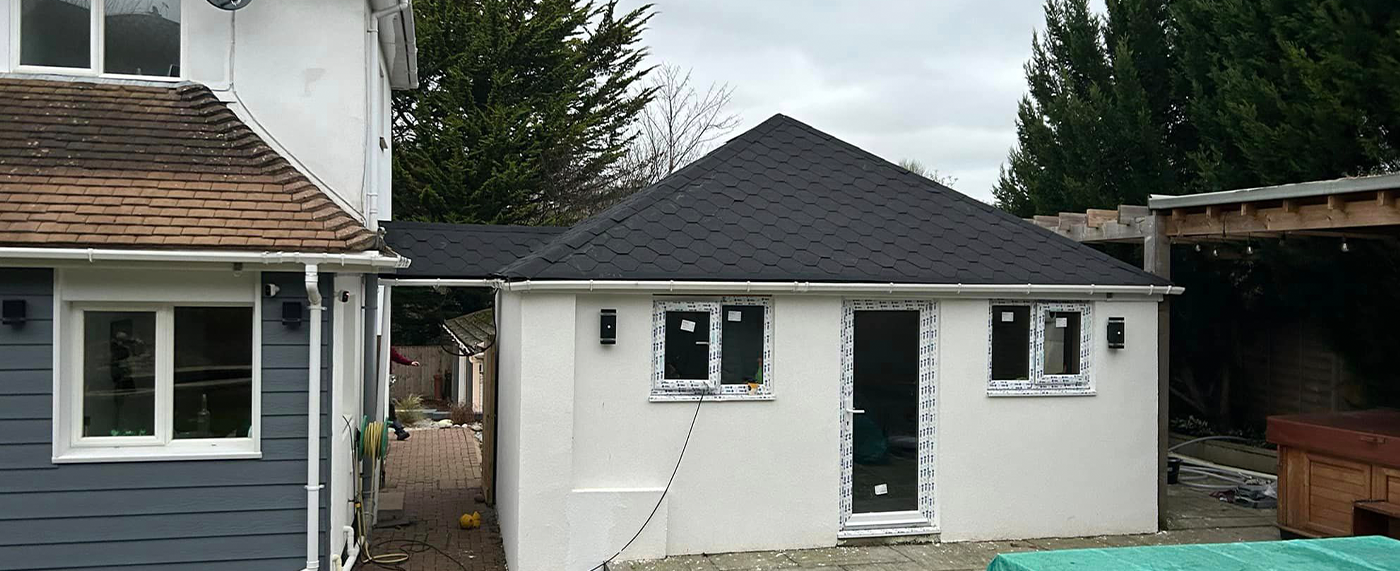
- Roof repairs & flashings
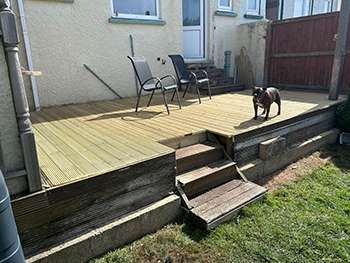
- Decking & external timber work
- General building repairs & maintenance
- Plastering, flooring & decoration
First fix and second fix carpentry explained
First fix carpentry forms the timber framework before plastering and final finishes. Depending on the project, it can include stud walls, floor joists, roof timbers and the framing around openings. This is the stage where room layouts, support and space for services need to work together, so decisions about doors and partitions belong early in the programme.
Second fix carpentry follows plastering and brings the visible details together: hanging internal doors, fitting skirting boards and architraves, and completing trims and joinery. Accurate fitting matters where new work meets older walls or uneven floors. For homeowners, the useful distinction is sequence: settle the structure and layout first, then agree the profiles, materials and finishes that you will see every day.
Carpentry repairs for doors, stairs and floors
A sticking door, loose handrail or moving floorboard needs an assessment of the cause before a repair is chosen. A door may need adjustment at its hinges rather than replacement; movement in a staircase or floor can involve concealed fixings or supporting timber. Describe where the problem occurs and whether it changes with the weather, and include photographs when asking about the work.
In coastal South Devon homes, exposed timber needs particular attention to moisture, protective finishes and sound joints. Soft timber or flaking paint can point to decay, but the visible patch may not show its full extent. A lasting repair needs the moisture source addressed as well as damaged wood repaired or replaced. Suspected damage to load-bearing timber needs assessment before it is covered or cut away.
Combining a carpenter's visit with general building jobs
A shortlist of smaller jobs can be easier to plan as one package: adjusting doors, replacing damaged skirting, repairing a partition and making good nearby plaster, for example. Grouping related carpentry and general building work helps establish the right order and avoids completing decoration before dusty repairs are finished. It does not mean every task can be completed in a single visit.
Start with a room-by-room list and separate essential repairs from optional improvements. Note any materials you want to retain, whether decoration is needed afterwards and when each room is available. A written scope should identify the tasks, materials, preparation and finishing included, with any specialist work or further investigation clearly separated. That makes the whole shortlist easier to price and compare.
A look at similar projects


A clear, considered process
Discuss
Send us a list or a quick description of what you'd like doing.
Visit & quote
We come and see the works, then send a clear quote covering the whole shortlist.
Complete
We block out the days and get everything done in one visit where possible.
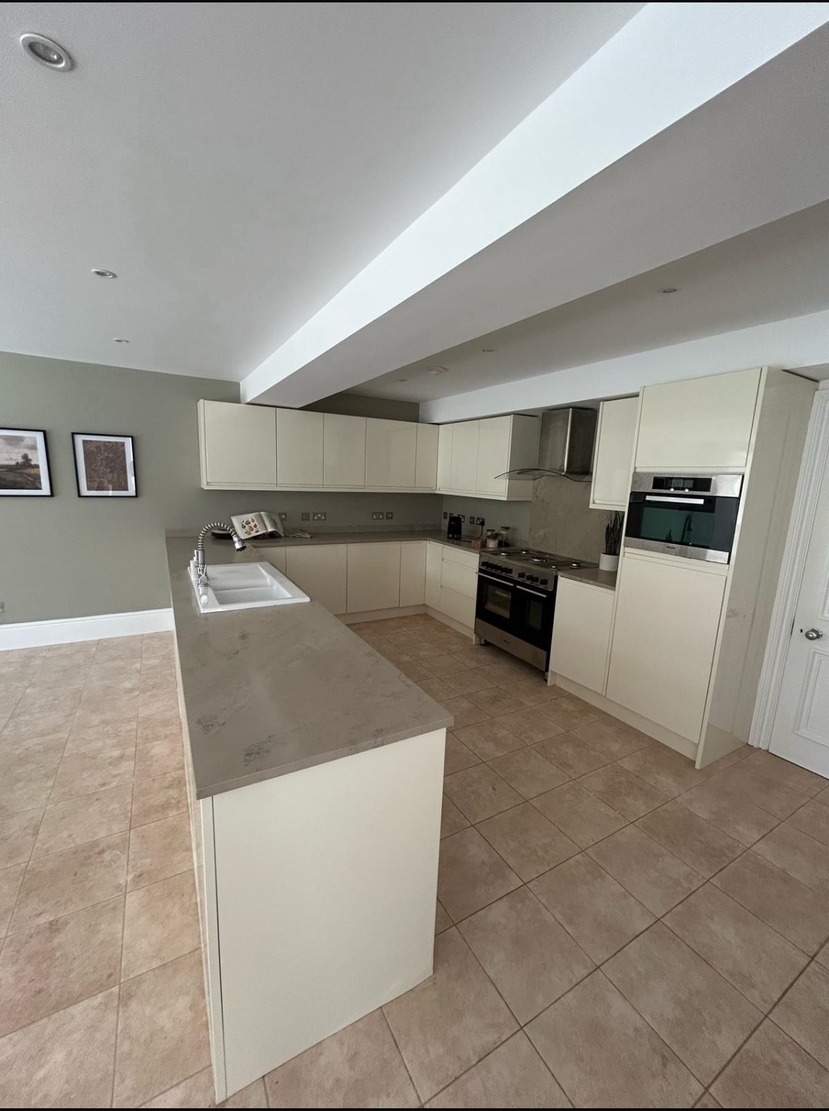
"Tony and his team did a fantastic job on our new kitchen build. The quality of the finish is excellent, and the space has been transformed exactly as we hoped. They were professional, friendly, and easy to work with throughout the project. We're really pleased with the result and would highly recommend them to anyone looking for a reliable construction team."
Common questions
Can't see your question? Give us a call and we'll answer honestly.
Do you take on smaller jobs?+
Yes — particularly when there are several jobs bundled together, or where a homeowner wants a reliable team on retainer for occasional work.
Do you do roof repairs?+
Yes — we handle repair work, flashings and associated carpentry. For larger re-roofs we scope the job at the site visit.
What is the difference between first fix and second fix carpentry?+
First fix covers timber work before plastering and finishes, such as framing, studwork and joists. Second fix covers the later fitting of visible items such as internal doors, skirting and architraves. The exact division depends on the project and agreed sequence.
What is joinery work in construction?+
Joinery involves making and fitting timber components such as doors, frames, stairs and fitted furniture. The term often describes workshop-made items, while carpentry commonly includes fitting and structural timber work on site. The roles overlap, so explain the item and finish you need rather than relying on the job title alone.
What qualifications and experience should I look for when hiring a carpenter?+
Ask about relevant carpentry or joinery training, experience with similar work and examples you can review. Qualifications are useful evidence of training, but also check that the proposed approach, materials and written scope suit your job. Structural work may need an engineer's design and building control involvement.
How are carpentry prices worked out?+
Prices depend on the tasks, timber and fittings, measurements, preparation, access and fitting time. Bespoke details, repairs to hidden damage, matching existing joinery and decoration can change the scope. Ask for a written quote that distinguishes labour, materials, finishes and any allowances for further investigation.
Tell us about your carpentry & general building project.
The more you can share, the more useful our first conversation will be. Include drawings if you have them.
Guides for carpentry & general building
Browse the guides library →- Coastal timber claddingWhich timber species, finishes and fixing details actually survive a South Devon coastal exposure.
- Rotten window framesHow to catch coastal window rot early and what a splice repair involves.
- Sagging floor joistsHow to tell a stable old floor from active joist decay before repairing.
- Snagging and handoverWhat a proper snagging walkthrough covers and which paperwork you should receive when a build hands over.