Builders in the South Hams — rural, coastal and period work from Paignton
The South Hams is one of the districts our site names as part of our working area, reached from our Paignton base across the Dart. It is a different kind of patch from Torbay: fewer streets of similar houses, more one-off properties, farm buildings and older stone homes.
That changes how we price and plan. Distance, access down narrow lanes and the age of the building matter as much as the floor area, so every job here starts with a proper look at the site.
House extensions in Ivybridge
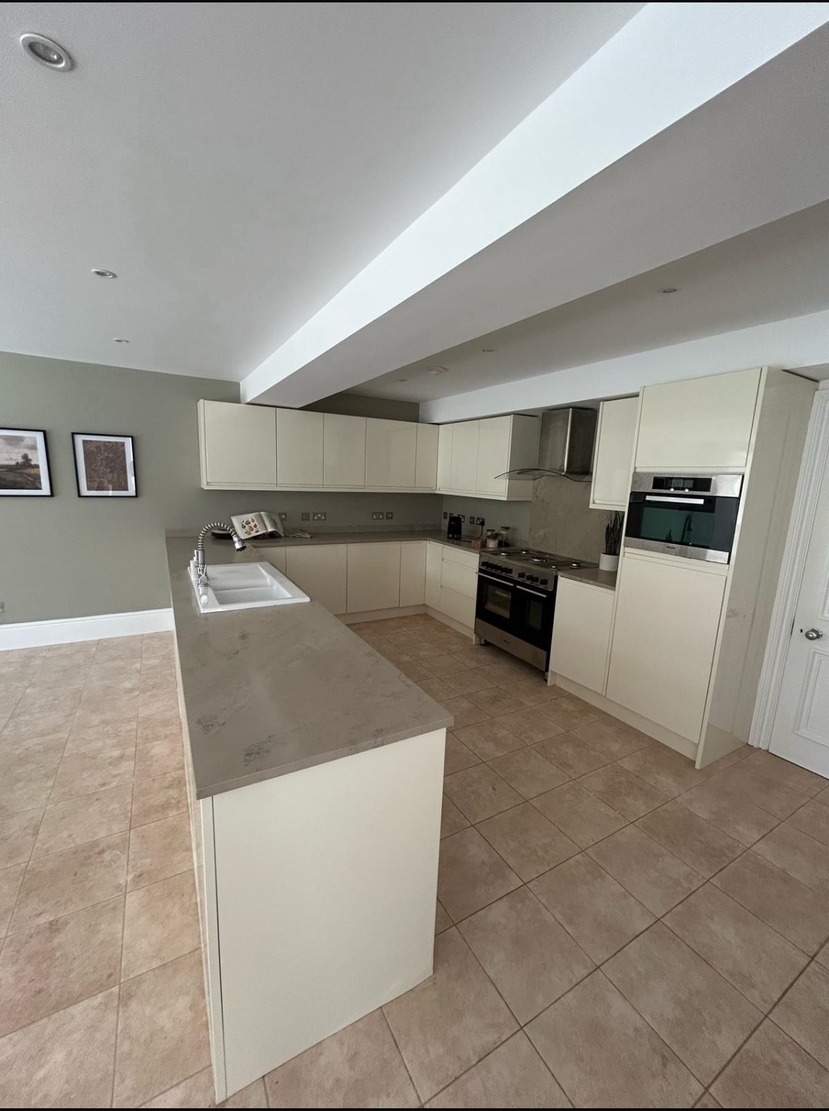
When considering house extensions in Ivybridge, check both the planning boundary and the practical route onto the plot. The town sits in the South Hams on the southern edge of Dartmoor National Park, along the A38. South Hams District Council decides planning applications outside the National Park; land inside it comes under the Dartmoor National Park Authority. Ivybridge's conservation area was designated in 1985, so the property's location should be checked before settling external changes. Steep roads and many semi-detached homes also make access and levels useful points to cover on the site visit, rather than leaving them until deliveries arrive.
Read about our house extensions and what the build includes.
The kind of work we take on here
Across the district we are asked about home renovations, property refurbishment, structural alterations and extensions, including building over existing garages. Those are all part of our six core services — extensions, loft conversions, renovations and refurbishments, garage conversions and alterations, carpentry, and controlled demolition.
Our projects page includes open-plan flooring work carried out in the South Hams, and we have a separate page on barn and outbuilding conversions, which is the district's most distinctive type of building job.
Older buildings need surveying, not guessing
Much of the housing stock here is solid-walled stone or cob, often altered many times. Opening up a wall or floor in a building like that reveals things a floor plan never shows. We survey first and write the scope around what we find, with provisional sums clearly marked where something cannot be known until it is exposed.
Where a property is listed or inside a conservation area, consent usually has to come before work, and materials such as lime become part of the specification rather than an afterthought.
Planning a job further from base
Working further out means organising deliveries, skips and storage carefully, especially where lanes are single-track or a site has no parking. We agree all of that before starting so the programme holds.
Planning and building control in the district sit with South Hams District Council, and we coordinate inspections so nothing is covered before it is signed off.
How a South Hams project runs with us
Anthony runs each job directly with our own team and the trusted trades we bring in for electrics and plumbing, so you have one point of contact from the free site visit to handover. The written quote sets out scope, exclusions and programme in plain terms.
Totnes: listed merchants' houses and lime finishes
Totnes sits at the head of the Dart estuary and is the administrative centre of the South Hams. Its historic core is a conservation area, and about 345 listed buildings stand within two kilometres of the centre, including Totnes Castle, Totnes Bridge and many sixteenth and seventeenth-century merchants' houses along Fore Street and High Street. Alterations to those buildings usually need listed building consent as well as planning permission.
The town's conservation appraisal describes silver-grey slate as the main roof covering, often hung on walls too, with smooth lime render the most common wall finish. Repairs and extensions that respect those materials, using lime mortars and plasters rather than cement, tend to sit better with both the building and the council.
Read about our lime plastering and rendering work on older walls.
Homes, heating and riverside plots across the district
Census figures for South Hams show detached and semi-detached homes make up around two-thirds of the district's housing, and 45% of homes are owned outright, which is a strong base for extensions and loft conversions. Oil heating is used in more than one home in eight, so an extension often needs its heating planned around an existing oil boiler or a heat pump.
Whether a job is in Totnes, Kingsbridge or Dartmouth, low-lying land near tidal water can fall within mapped flood zones, and an application there may need a flood risk assessment. We check each address rather than assuming.
See our structural alterations page for opening up and reconfiguring older layouts.
Where the South Hams is
Questions we get asked
Do you really work in the South Hams from Paignton?
Yes. The South Hams is one of the areas our site lists as served, alongside Torbay and Teignbridge.
Which council handles planning here?
South Hams District Council deals with planning and building control for the district.
Do you convert barns and outbuildings?
Yes — see our barn and outbuilding conversions page for how we approach them.
Can you work on stone or cob houses?
Yes. We survey first and specify breathable materials such as lime where the building needs them.
What is Totnes famous for?
Its historic merchants' houses, Totnes Castle and its unusually high number of listed buildings for the size of the town, set at the head of the Dart estuary.
Do you work in Kingsbridge and Dartmouth?
Yes, both are within the South Hams, which is one of the districts we serve from Paignton.
Is Totnes in Torbay?
No. Totnes is in the South Hams district of Devon, and South Hams District Council handles planning there.
Planning work in the South Hams?
Book a free site visit and we will look at the building, the access and what you want to achieve, then send a clear written quote.