Renovating a period property in South Devon
Older South Devon houses were not built the way modern ones are, and treating them as if they were is how people end up with damp, cracked plaster and a bill that doubles.
Solid stone, cob and early brick walls need to breathe. Seal them with cement render and modern gypsum and moisture has nowhere to go — it collects at the base of walls and gets blamed on rising damp.
This page is about how we approach that, from Totnes and Ashburton town centres through to the Regency stock in Teignmouth and Dawlish.
Why older buildings behave differently
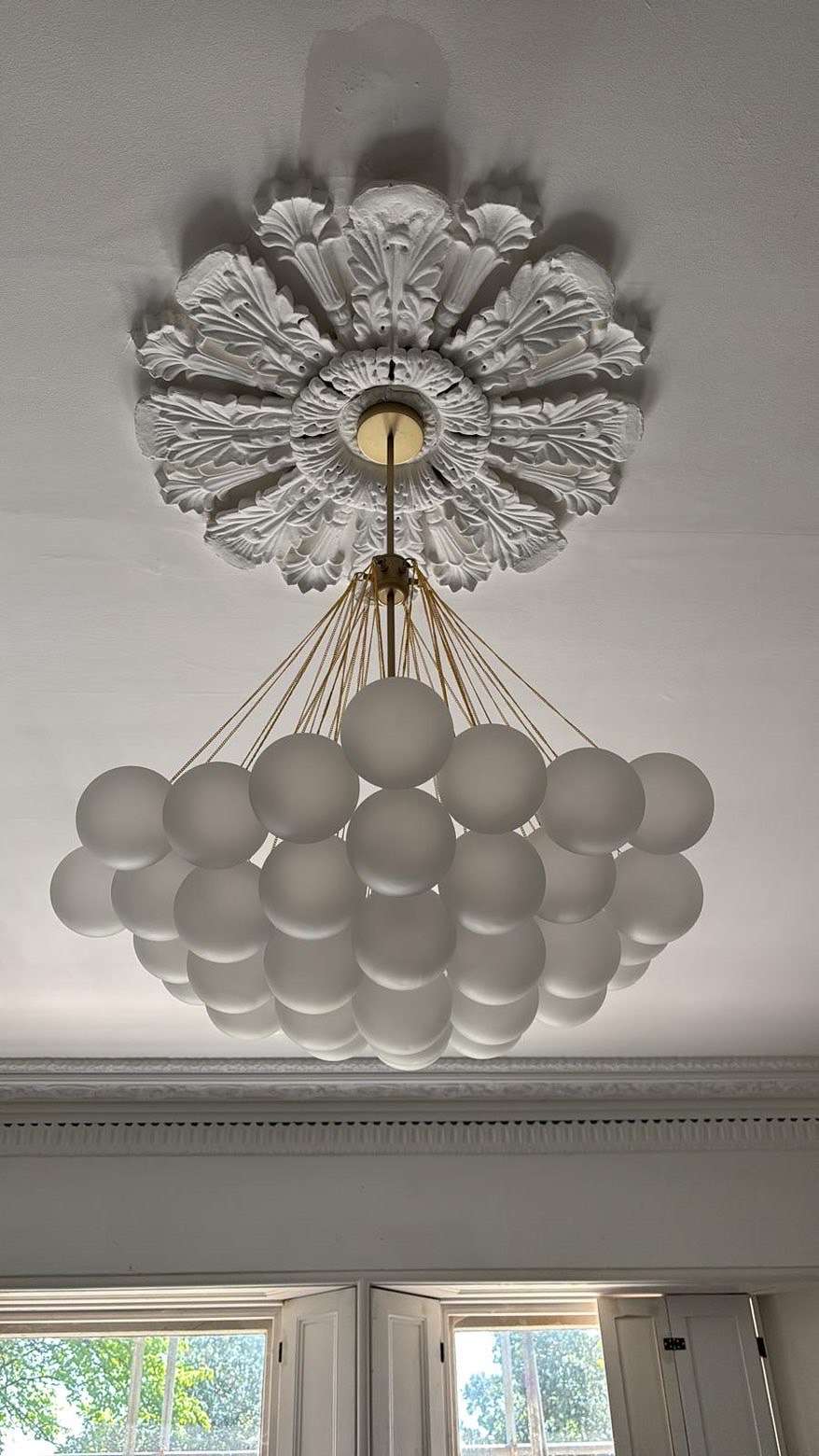
A cavity wall keeps water out with a physical gap. A solid wall manages water by absorbing it and letting it evaporate. Once you understand that, most period-property decisions follow logically.
It is the reason we specify lime plaster over gypsum on solid walls, breathable insulation rather than sealed foam boards, and mineral paints rather than plastic-based emulsions on external render.
What the survey usually turns up
No two period renovations are the same, but the recurring findings are predictable:
- cement render trapping moisture in a cob or stone wall
- bathroom or kitchen extensions added with no damp-proof detailing
- joist ends rotted where they bear into an external wall
- earlier rewires left partially in place behind plaster
- roof spread pushing out the tops of walls
How we stage the budget
We price the known scope firmly and carry provisional sums for what can only be seen once floors and plaster come up. You approve each one before it is spent.
That is deliberately less tidy than a single headline figure, but it is honest about a building nobody can see inside yet.
Listed buildings and conservation areas
Totnes, Ashburton and Dartmouth all have significant protected stock. Where listed building consent or conservation-area constraints apply, that gets established before we quote — not discovered mid-job.
Recent work of this type
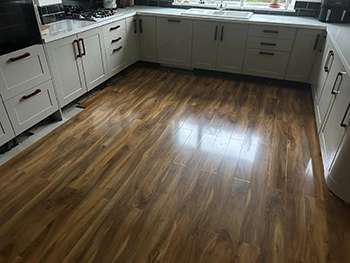
Questions we get asked
Can you use lime plaster throughout?
Where the wall is solid, yes. On modern block or cavity sections gypsum is usually more appropriate and cheaper — we mix approaches building by building.
Is damp always rising damp?
Rarely. Penetrating damp, failed pointing, blocked ventilation and condensation account for far more of what we see than true rising damp.
Do you insulate solid walls?
Sometimes, using breathable systems such as wood-fibre. Getting it wrong on a solid wall creates a condensation risk, so it needs a considered decision rather than a default.
Can we live in the house during the work?
On a partial refurbishment usually yes. On a full strip-back with rewire and replaster it is genuinely difficult, and we will say so.
The short version
Let old buildings breathe, survey before you commit, and stage the budget honestly. Everything else on a period renovation follows from those three things.