
Building demolition across Teignmouth
Homes in Teignmouth rarely behave like the textbook. Between Georgian and Regency townhouses and rendered seafront flats, every job needs its own survey. We are about 1 miles along the coast and lanes from Shaldon and cover Teignmouth and its neighbouring villages for demolition.
Most of what we are asked for here is internal soft strip-outs ahead of refurbishment, with controlled removal of load-bearing walls with temporary support close behind. Seafront and estuary streets in Teignmouth are narrow with restricted parking, so compact welfare and staged deliveries are normally required.
The people who contact us about this are usually homeowners starting a whole-house project — and the first thing they want is a straight answer about whether it is worth doing at all on their particular property.
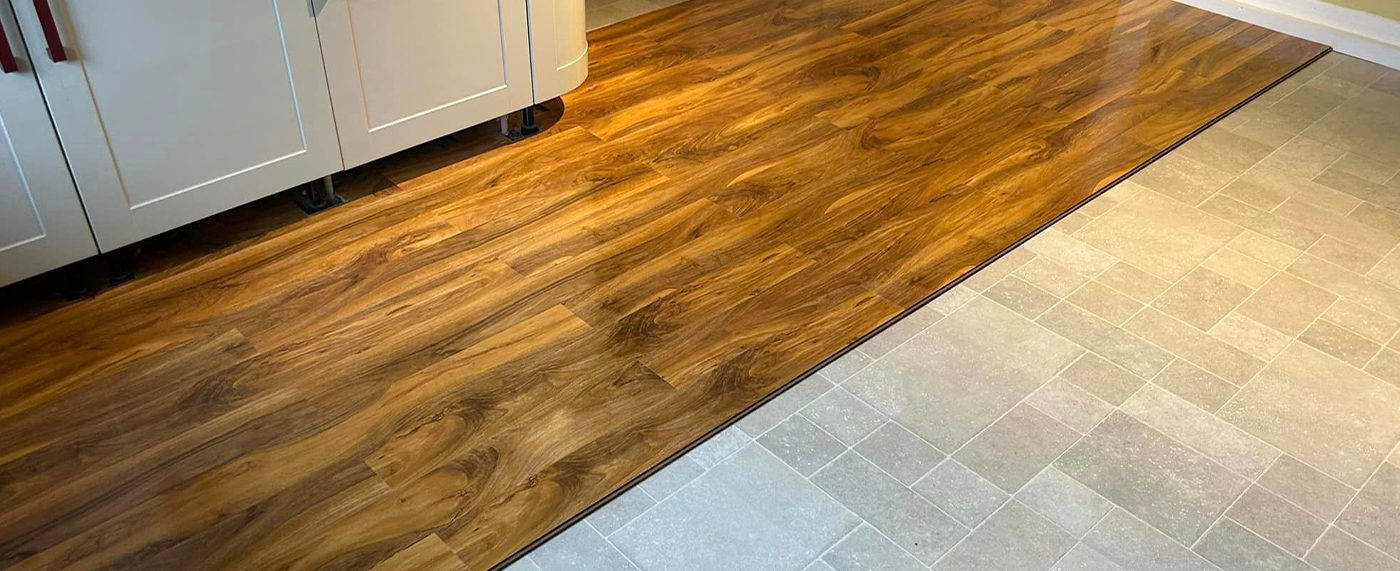
Typical scope on a Teignmouth job
Across TQ14 the demolition and strip-out work we quote most often falls into a handful of shapes. We will tell you at the site visit which of these your property actually suits.
- internal soft strip-outs ahead of refurbishment
- controlled removal of load-bearing walls with temporary support
- outbuilding and garage demolition with site clearance
Working with Teignmouth's building stock
Teignmouth is dominated by Georgian and Regency townhouses and estuary-facing terraces, with rendered seafront flats appearing across Bishopsteignton and Holcombe. That mix changes how we price demolition and strip-out work.
Practically, the technical points that come up most on these buildings are protecting neighbouring structures on tight urban plots; waste segregation and duty-of-care documentation; identifying which walls are actually load bearing. None of them are unusual — they just need catching before the quote, not after.
Materials and methods we use
Specification is agreed with you in writing before we start. On Teignmouth projects we most often use:
- steel beams and padstones for permanent support
- segregated skips for recycling masonry and timber
- dust suppression and sheeting to protect retained finishes
How we plan deliveries in Teignmouth
Seafront and estuary streets in Teignmouth are narrow with restricted parking, so compact welfare and staged deliveries are normally required.
Teignmouth is served by the A379 and B3192, which is how we route plant, skips and deliveries. Our nearest regular working areas include Shaldon (1 miles), Dawlish (3 miles), Newton Abbot (6 miles).
Common worries — and honest answers
Before anything is agreed, these are the points we cover with homeowners starting a whole-house project in Teignmouth:
- how quickly the site is cleared
- keeping the building safe during removal
- dust and noise for neighbours
Beyond Teignmouth
We regularly work in Bishopsteignton, Holcombe, Broadmeadow, Shaldon as well as Teignmouth itself, and travel out to Shaldon, Dawlish, Newton Abbot where the project justifies the journey.
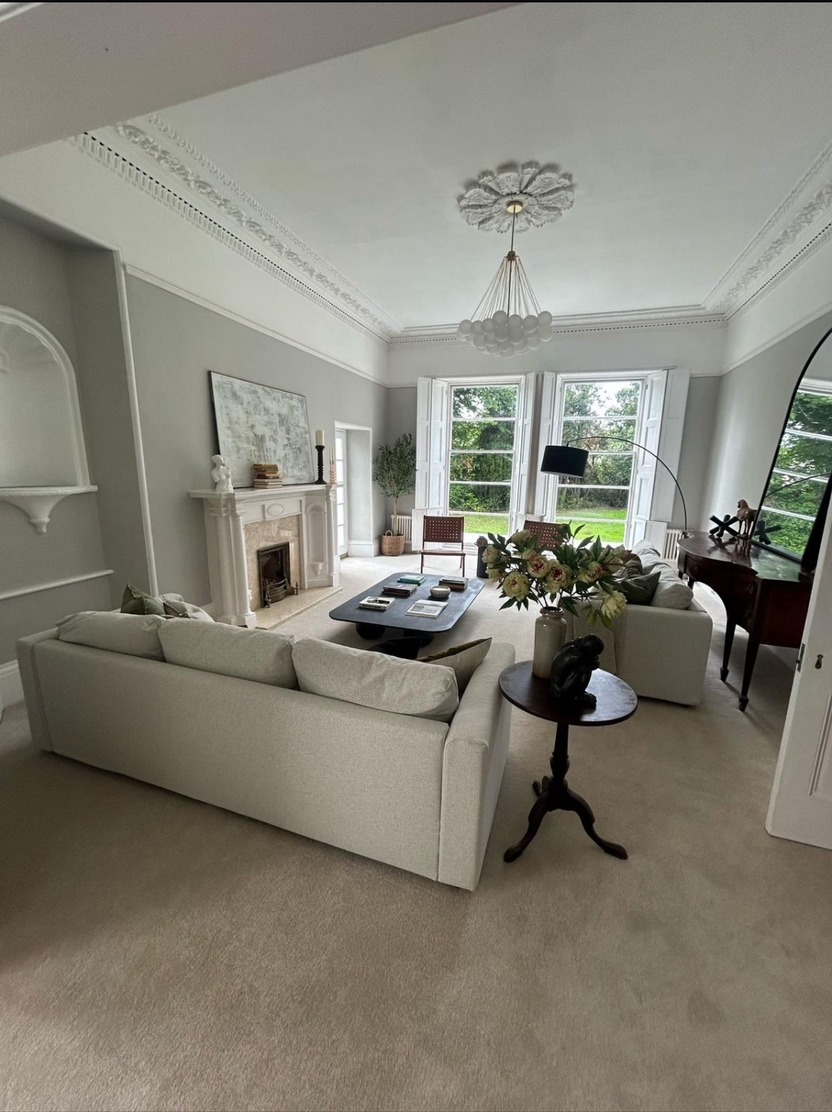
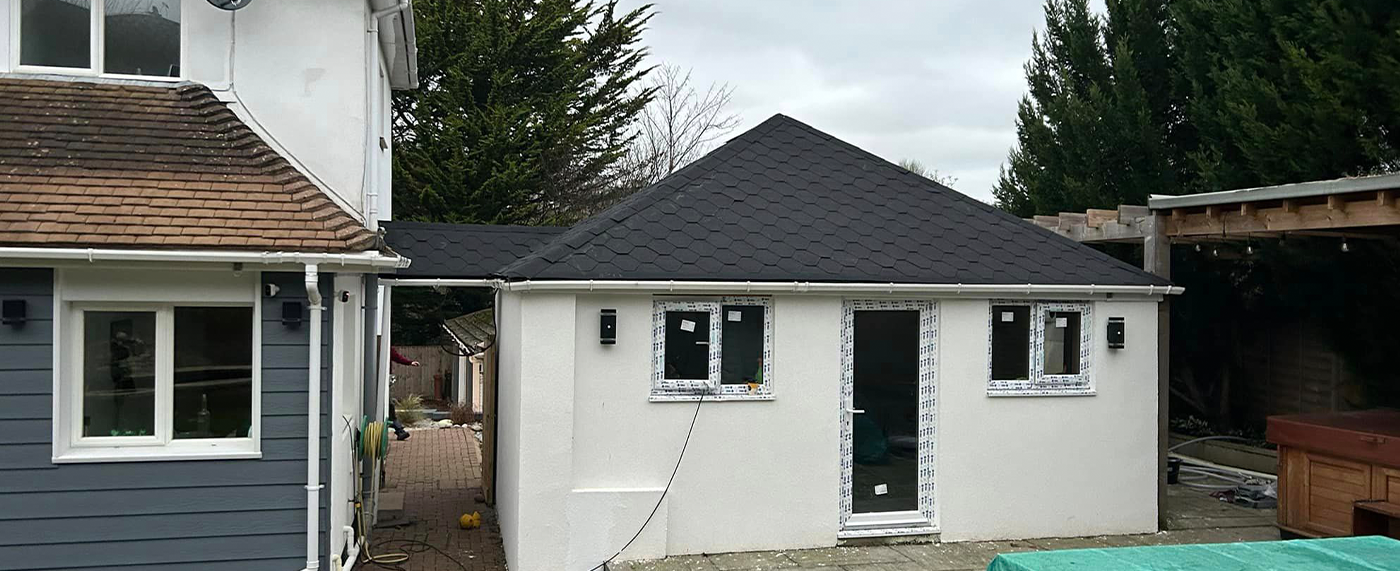
Recent work of this type

Questions we get asked
Can you work while we stay in the house?
Usually yes. We agree which rooms stay live, protect routes through the property and keep the building watertight. On some demolition and strip-out work stages you may prefer to be out for a week or two.
How is the price put together?
From a measured scope after a site visit — never from a postcode average. You get a written breakdown covering labour, materials and any provisional sums.
Which materials do you recommend near the coast?
For Teignmouth we lean towards steel beams and padstones for permanent support and specify corrosion-resistant fixings where salt exposure is a factor.
How far ahead should we book?
Our programme is normally planned a few months out. For Teignmouth projects starting in a specific season, earlier contact gives you the better slots.
Do you work for homeowners starting a whole-house project?
Regularly. Homeowners starting a whole-house project make up a good share of our Teignbridge enquiries, and the scope is shaped around what they actually need from the space.
Wrapping up
We keep Teignmouth demolition projects to one team and one point of contact, working off the A379. That is the main reason our programmes here hold their dates.