
Paignton demolition — designed, built and finished
Paignton sits in Torbay, Devon, served by the A380 and A385 and A3022. For demolition, that road access shapes how we deliver, store and sequence — and being a short 7-mile drive from Newton Abbot keeps site visits practical.
Most of what we are asked for here is chimney breast removal with gallows-bracket or steel support, with concrete slab and hardstanding breakout close behind. Much of Paignton is comparatively flat with generous rear gardens, which usually makes rear-of-plot access and on-site storage straightforward.
The people who contact us about this are usually self-builders — and the first thing they want is a straight answer about whether it is worth doing at all on their particular property.
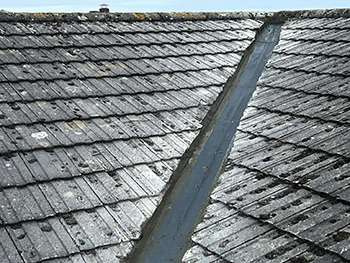
What demolition usually involves in Paignton
Across TQ3, TQ4 the demolition and strip-out work we quote most often falls into a handful of shapes. We will tell you at the site visit which of these your property actually suits.
- chimney breast removal with gallows-bracket or steel support
- concrete slab and hardstanding breakout
- internal soft strip-outs ahead of refurbishment
Getting materials onto a Paignton site
Much of Paignton is comparatively flat with generous rear gardens, which usually makes rear-of-plot access and on-site storage straightforward.
Paignton is served by the A380 and A385 and A3022, which is how we route plant, skips and deliveries. Our nearest regular working areas include Torquay (3 miles), Brixham (4 miles), Totnes (8 miles), Newton Abbot (7 miles).
What the buildings in Paignton are actually like
Paignton is dominated by inter-war semis and post-war bungalows, with 1970s and 1980s estate housing appearing across Churston and Preston. That mix changes how we price demolition and strip-out work.
Practically, the technical points that come up most on these buildings are asbestos survey requirements before strip-out begins; temporary propping design and sequencing; protecting neighbouring structures on tight urban plots. None of them are unusual — they just need catching before the quote, not after.
What Paignton clients usually ask about first
Before anything is agreed, these are the points we cover with self-builders in Paignton:
- dust and noise for neighbours
- whether asbestos is present
- how quickly the site is cleared
Villages and neighbourhoods near Paignton
We regularly work in Churston, Preston, Goodrington, Blatchcombe as well as Paignton itself, and travel out to Torquay, Brixham, Totnes, Newton Abbot where the project justifies the journey.
What we build it from
Specification is agreed with you in writing before we start. On Paignton projects we most often use:
- hoarding and protection to shared boundaries
- acrow props and strongboys for temporary support
- steel beams and padstones for permanent support
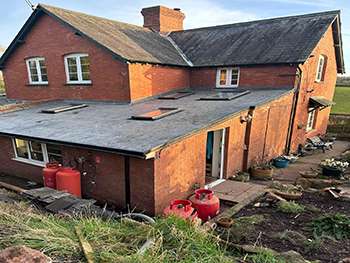
Recent work of this type
Questions we get asked
How do you handle access on tight Paignton sites?
Much of Paignton is comparatively flat with generous rear gardens, which usually makes rear-of-plot access and on-site storage straightforward.
What is the biggest technical risk on a project like this?
On inter-war semis in Paignton, usually asbestos survey requirements before strip-out begins. We survey for it before pricing rather than raising it as a variation later.
Can you work while we stay in the house?
Usually yes. We agree which rooms stay live, protect routes through the property and keep the building watertight. On some demolition and strip-out work stages you may prefer to be out for a week or two.
How is the price put together?
From a measured scope after a site visit — never from a postcode average. You get a written breakdown covering labour, materials and any provisional sums.
Which materials do you recommend near the coast?
For Paignton we lean towards hoarding and protection to shared boundaries and specify corrosion-resistant fixings where salt exposure is a factor.
In short
Demolition in Paignton works best when access, approvals and sequencing are settled before anyone lifts a tool. We cover Paignton, Preston, Goodrington, Blatchcombe and the wider Torbay area from TQ3/TQ4.